
Today the 26th is our last workday—calendar alignment. Palaceside placed kagami-mochi at the west main reception.
Many office workers again enjoy nine days off (Dec 27–Jan 4). Palaceside closes escalator entrances from subway on Dec 31 (Wed)–Jan 4 (Sun) like regular holidays—we appreciate your understanding.
2015 is the Year of the Sheep—"Kinoto-hitsuji (乙未)" in the sexagenary cycle.
For beginners: the ten "stems" derive from tree trunks—Jia, Yi, Bing, Ding, Wu, Ji, Geng, Xin, Ren, Gui—mapped to five elements (wood, fire, earth, metal, water) with elder (yang) and younger (yin) forms.
Meanwhile the twelve "branches" are trunk limbs—Zi, Chou, Yin, Mao, Chen, Si, Wu, Wei, Shen, You, Xu, Hai—splitting the sky into twelve directions in ancient China.
Stem-branch pairs cycle every 60 years—the sexagenary cycle or "kanshi."
Wait—10×12 = 120 combinations? Stems cycle in 10 years, branches in 12; LCM is 60—elementary math.
Enough prelude—next year's Kinoto-hitsuji.
Yi pictographs a curling sprout—resists radical reform. Wei has "wood" under short "one"—foliage prosperity; overgrowth darkens, so Wei also reads "dark."
So Kinoto-hitsuji: push reform by crushing resistance, or advance openly and brightly? Top-down vs. consensus—both fit. Nationally…
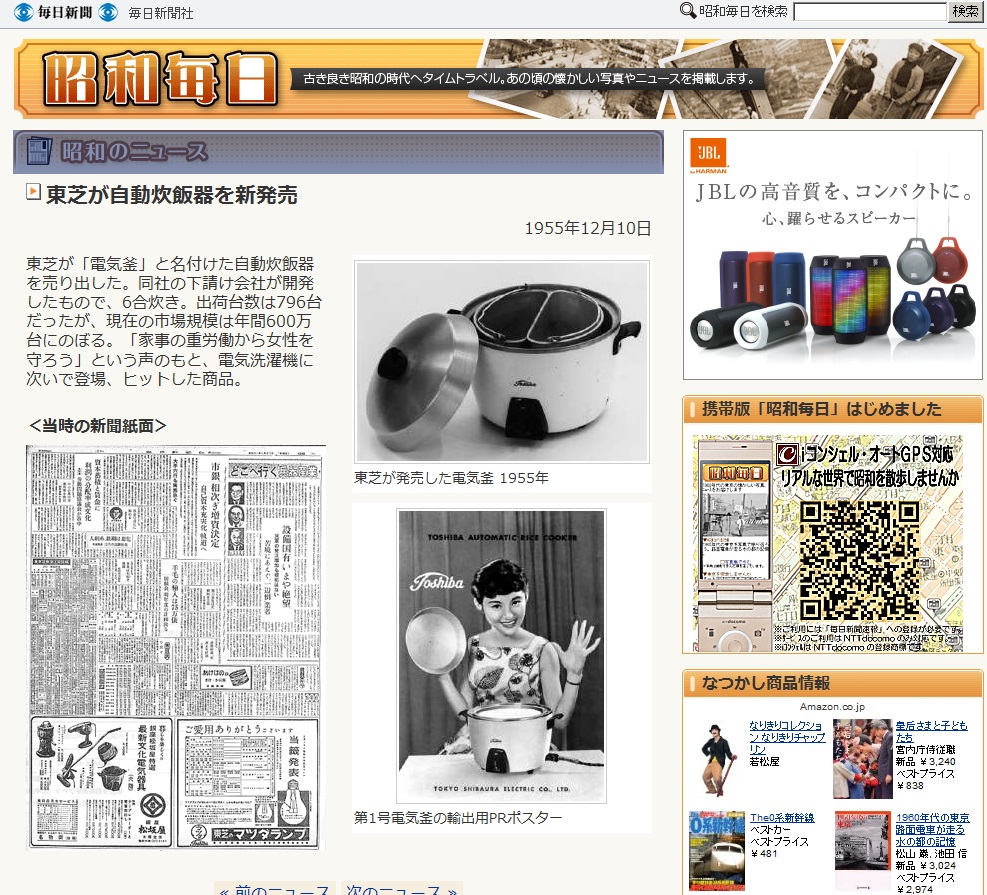
"Dark" feels heavy. 1895 saw the Sino-Japanese War, Triple Intervention, and the Eulmi Incident in Joseon Korea. But 1955 started the long "Jimmu boom"—Sony (then Tokyo Telecommunications) listed, first TV broadcasts, etc.
This Kinoto-hitsuji—we pray for a bright world.
Happy New Year to all.