

Did you eat seven-herb porridge on the 7th? Mainichi (Tokyo) evening front on the 7th showed boys enjoying porridge at Rinzai Sosenji's "Seven-Herb Porridge Gathering" in Kiryu, Gunma.
Supermarkets sell handy sets for 300–400 yen=photo upper. We usually have it, but skipped this year—"You say it's not tasty and barely eat it every year," I was told. ( ´ω`;) Fair enough.
Taste aside, it's an ancient rite for health—I'll cherish it more; blog material anyway, so I'll write though we didn't eat.
You may think it rests the stomach after New Year feasts, but it has loftier history—appearing as "mochi porridge" in the Heian "Engishiki" codes.
Roots are Chinese: on Jinjitsu (Jan 7), a five-season festival, seven-herb soup prayed for health. China marked New Year days 1–6 as rooster, dog, pig, sheep, ox, horse; day 7 was "Human Day" with no executions—avoid bloody work in New Year. This became Japan's seven-herb porridge. Fixed in Edo when five festivals became official.
Fillings shifted from mochi to vegetables. "Spring seven herbs" in 14th-century texts led to today's form.
Regions differ in name and dish—Kagoshima has "nanokanzushi." Living there 30+ years ago, I never heard of seven-herb porridge; research showed it's not sushi but zosui from "nanoka no zosui" (seventh-day zosui). Kagoshima food NPO details (http://kagoshimafood.blog.fc2.com/blog-entry-128.html). Nihon Gas Kagoshima recipe page
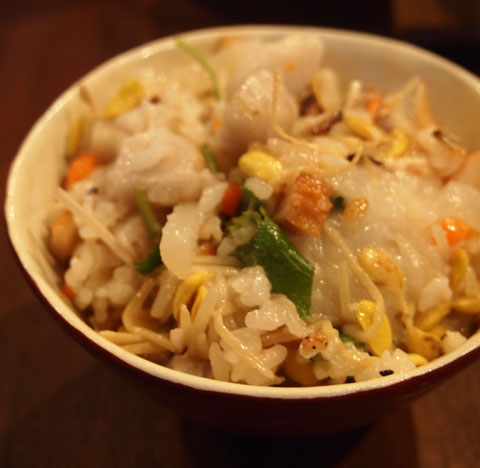
(https://www.nihongas.co.jp/hidamari/kamashita58.html)—rice, daikon, carrot, shiitake, satsuma-age, chicken, taro, bean sprouts, mochi, mitsuba. Some add cabbage or chikuwa—anything goes, unlike seven herbs. Butphoto right—looks appetizing. (*^ワ^*)
Maybe try "nanokanzushi" with varied ingredients next year?!