

At Bunkamura the Museum in Shibuya, Tokyo, the exhibition "Rubens: The Glorious Antwerp Workshop and the Italian Origins" (organized by The Mainichi Newspapers and others) also runs through the 21st. If you have not seen it yet, hurry.
Now, "A Dog of Flanders," whose hero Nero adores Rubens's paintings, was filmed in America five or six times (live action, not anime) — and Nero keeps living. Really?!
Among these, the 1998 "A Dog of Flanders" (directed by Kevin Brodie), which I touched on briefly in yesterday's blog, =photo upper is the DVD jacket= I had recorded years ago when it aired on TV for my child, so I watched it again.
Broadly the story proceeds like the Japanese anime; in the Christmas Eve cathedral scene Rubens (as a ghost) appears, says "Your (Nero's) paintings will long stir everyone's hearts," and leads Nero and Patrasche to heaven, where Nero embraces the mother he lost in childhood — and it ends. I took the final words from Rubens as a message that "art is eternal," but it also felt rather abrupt (I have not checked the DVD ending).
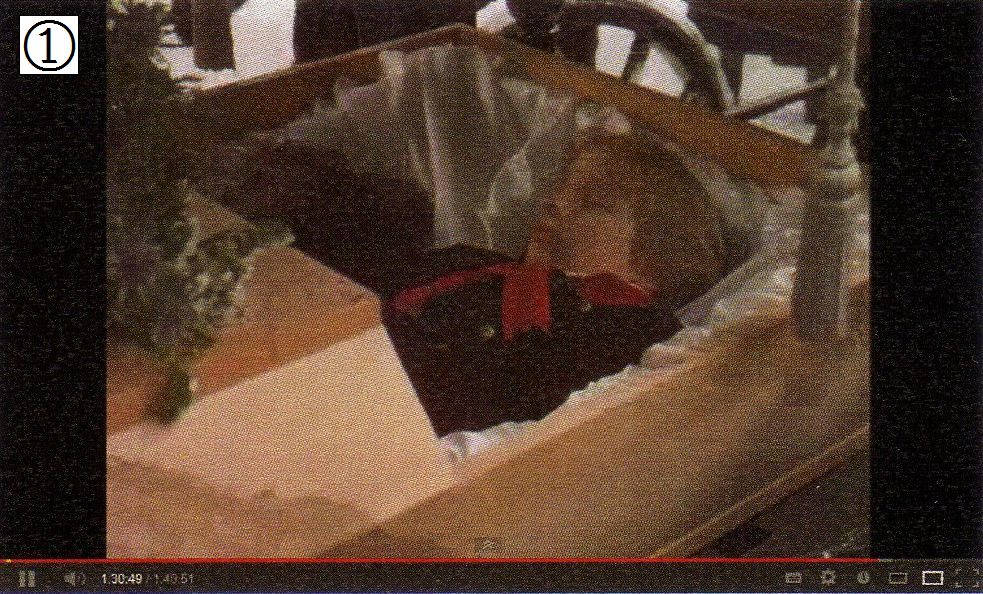
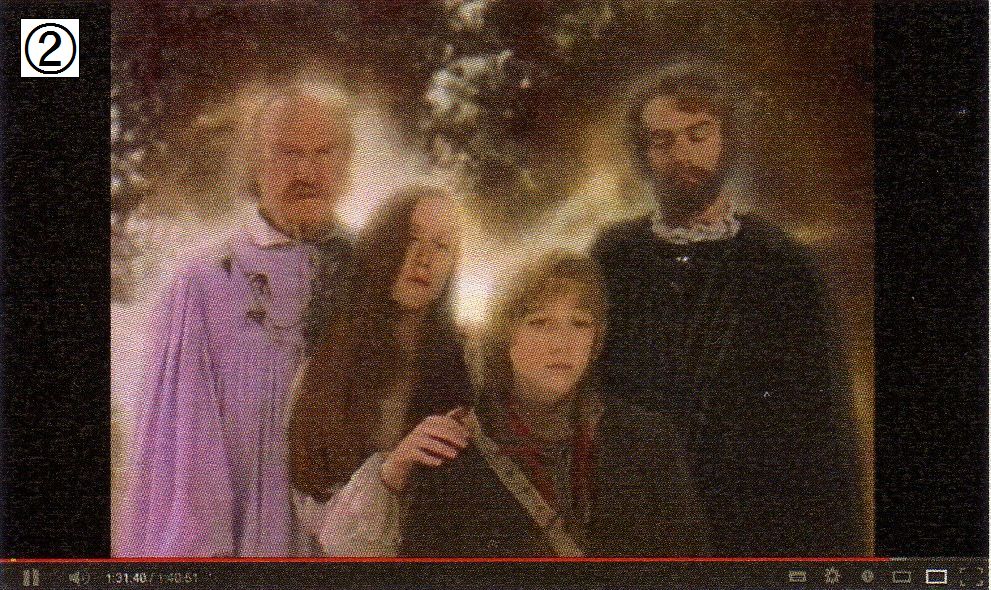
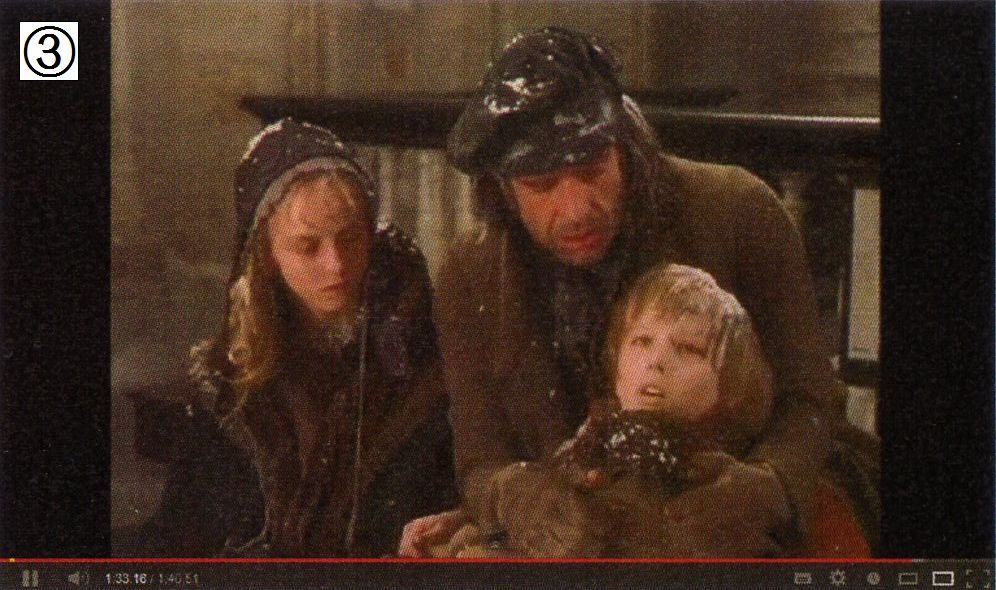
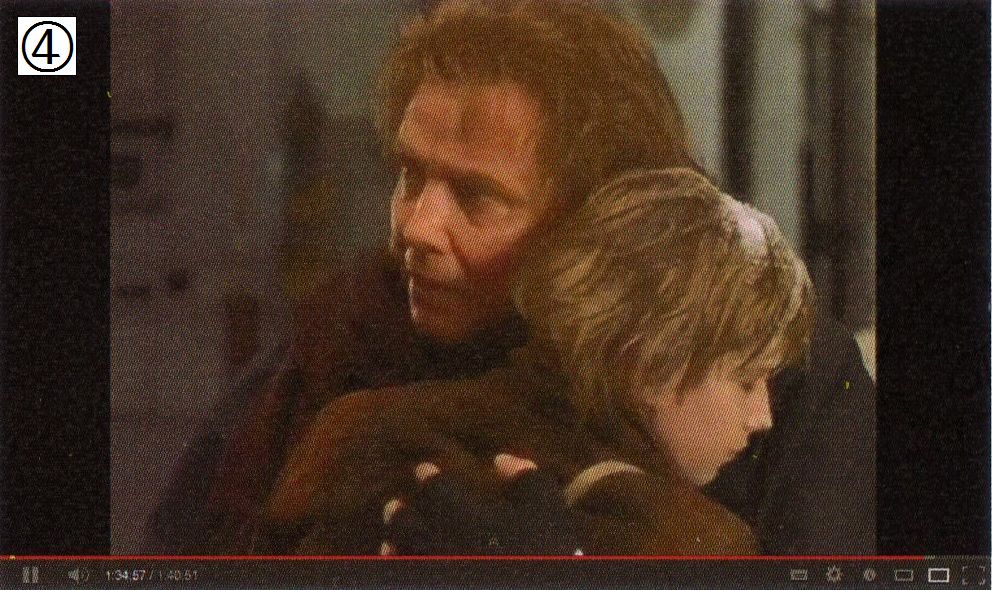
But then. Footage I found on YouTube continues after that with a funeral scene for Nero that was not in what I saw on TV=photo lower ①=, with everyone mourning while Nero, his grandfather, his mother, and Rubens watch from heaven=photo lower ②=, and Nero says "I want to live." Rubens had taken Nero temporarily to heaven and let him see the funeral so he would understand how loved he is. Then it returns to the scene where he collapsed in the cathedral; Aloise and others rush over and lift him, and Nero opens his eyes=photo lower ③= — a story of "resurrection." Moreover, the painter who recognized and encouraged Nero's talent turns out to be his father, and they embrace crying "My son!"=photo lower ④=(http://www.youtube.com/watch?v=t1QxxAyg5hs). I was astonished. In Japan the story is fixed as a tragedy, so the ending was cut on TV.
When the film was made, Japanese newspapers reported "Happy ending is a distortion," "Fans protest changed ending," "Respect the author's intent," and so on; The Mainichi Newspapers evening edition of October 19, 1998, carried a Brussels dispatch headlined "Don't let Nero die," quoting director Brodie: "In the novel Nero dies at the end, but in America it would not sell that way" — it stirred considerable controversy.
The 1935 film (directed by Edward Sloman) is also introduced on a blog: character names are changed, and the story has Peter (unclear who in the original or anime), asked by Maria (Aloise) to support Nero crushed by his grandfather's death, see Nero's drawings, marvel at his talent, sell the pictures and enter his own work in a contest and win first prize; when Nero is revealed as the true artist, a famous critic promises his future, and Coghese (Aloise's father Gez) allows Maria and Nero to court — a straightforward happy ending(http://ameblo.jp/wa500/entry-11019872395.html).
In the land of the American dream, a "loser" just will not do, I suppose. Well, well.