

Kitanomaru Park and Chidorigafuchi near Palaceside Building in Takebashi, Tokyo, are famous cherry spots and also downtown oases rich in water and greenery. The Ministry of the Environment has now formulated the "Chidorigafuchi Environmental Restoration Plan" so that Chidorigafuchi and its surroundings, together with the Imperial Palace forest, can support diverse living things.
The moats around the Imperial Palace — Chidorigafuchi, Shimizubori, Hirakawabori, Sakuradabori, and others — have suffered water-quality decline and massive blue-green algae blooms in recent years. Purified water from a treatment facility in Hibiya is released into the moats, and Tokyo is working to prevent sewer overflow in rain, with algae expected to be eliminated by fiscal 2015. From there, the plan is to restore the natural environment around Chidorigafuchi, a symbolic spot of the outer gardens.
What draws attention is that precious nature found today mainly in the countryside still survives in this city center. In particular, Heike fireflies — rarely seen in urban areas — were found living in Ushigafuchi, between Kitanomaru Park and the Kudan Kaikan and former Chiyoda Ward office, next to Chidorigafuchi.
Unlike Genji fireflies, which feed only on kawazina snails in clear streams, Heike fireflies also eat pond snails and other mollusks found in rice paddies and wetlands, so larvae live in gentle country streams, paddies, and wetlands. In paddies, however, pesticide use and polluted household wastewater eliminated food sources, and concrete channels caused larvae to be washed away in floods — leading to drastic decline.
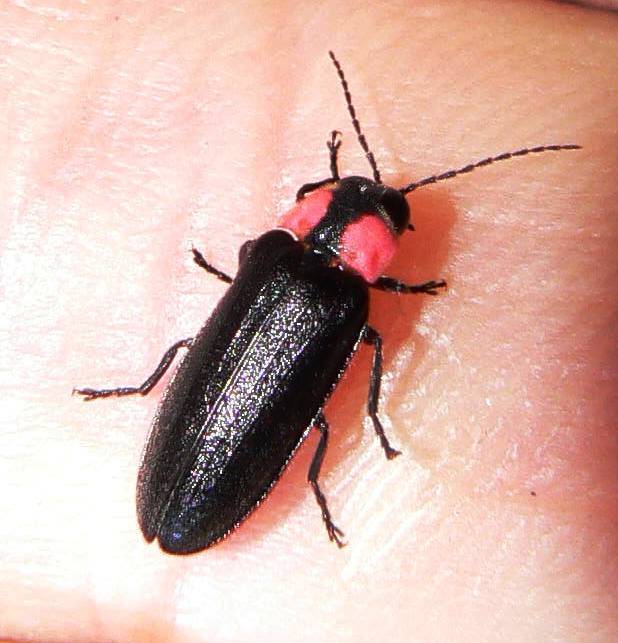
Many regions that market nature in mountains and satoyama raise and release fireflies as tourist draws, but Ushigafuchi's Heike fireflies are not imports — they are genuine "Edokko." The Ministry's Outer Gardens Office says, "DNA shows they are descendants of fireflies that lived in southern Kanto."
The ministry intends to protect this "pure bloodline," nurture the Ushigafuchi natives without introducing Heike fireflies from elsewhere, and cherish those that remain. Concern remains that numbers fluctuate by year — some years many, some years hard to find — and stabilizing them is a major challenge. If environmental restoration succeeds and Heike fireflies increase, they hope to see them in other moats too; in a few years we might see fireflies dancing around the Imperial Palace.