
The moai display at Marunouchi Building, close to Palaceside Building, is finally down to the 28th. In the current project to donate the statue to Minamisanriku Town, Miyagi Prefecture, as a symbol of recovery from the Great East Japan Earthquake and Japan–Chile friendship, the feelings of students at Shizugawa High School — a prefectural school in Minamisanriku — were involved.
In the Shizugawa district of Minamisanriku Town (former Shizugawa Town), which suffered major damage from the tsunami of the 1960 Chile earthquake, a moai was donated from Chile in 1991 to mark the 30th anniversary of recovery — but its head was washed away in the tsunami of the Great East Japan Earthquake. And last year, when Chilean President Piñera visited Japan and went to Shizugawa High School in town, promising a new moai — I wrote about that on this blog on the 19th.
For the town, the moai was a symbol of friendship with Chile and of community building. The moai sent in 1991 was placed in a park where citizens relax; moai figures also adorn manholes and bridge railings=photo lower left · upper, and there are modern objectsphoto lower right=as well.
At Shizugawa High, centered on students in the information business course, in 2010 they devised the "Minamisanriku Moai-ization Plan" to raise disaster awareness and revitalize the town. They designed moai characters and began trial products such as phone straps and Western-style sweets. With the chamber of commerce, they made straps — not just selling them, but trying uses tied to regional revitalization, such as stamp-rally prizes at events. In February 2011 they finished a presentation for townspeople and were about to launch sales when an unimaginable tsunami swallowed the town. The plan's survival was in doubt, but students instead thought of using moai in rebuilding the town. Right after the disaster they made plates with a moai in police uniform and attached them to patrol cars from outside the prefecture — a first step. Later they began selling badges=photo upper= and accessories designed with moai figures. Proceeds go toward buying a community bus for elderly people whose mobility was hurt by the tsunami.
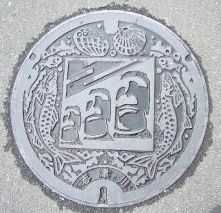
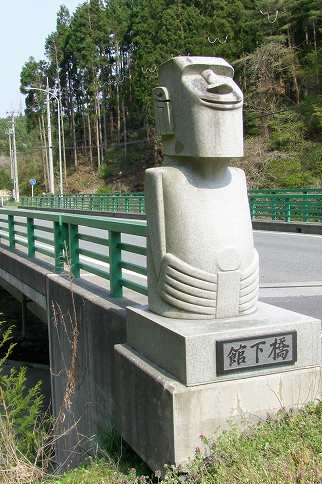
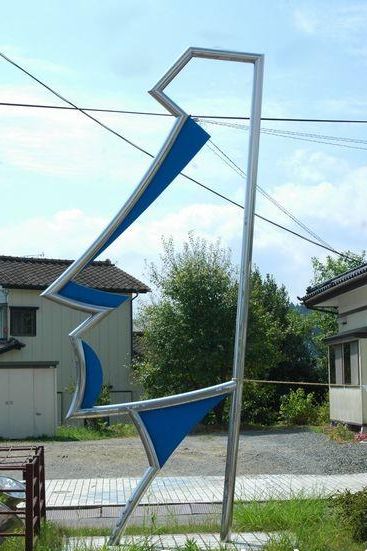
Reports in Japan and Chile — both earthquake-prone nations — of those high school students and townspeople, and of the moai broken by tsunami, led to the Chilean government's donation of a new moai.
"Moai," in the local language, is said to mean "living (ai) for the future (mo)." Truly something that should be given to the people of Minamisanriku — and to many disaster victims.