
-thumb-524xauto-766.jpg?fit=fill&fill=blur&w=1600&h=900&q=80&fm=webp)
At the very center of Nihonbashi, Tokyo, stands the "Kilometer Zero marker of Japan's roads." On the bridge's center line where cars pass—it is too frightening to photograph there.
The "Kilometer Zero marker" in the small park at the bridge foot on the Mitsukoshi side is commemorative. Nihonbashi marked the start of the Edo Five Highways; travelers departed from here for the provinces or aimed for Edo from afar.
Nihonbashi is now the origin of seven national routes: Route 1 (to Osaka), 4 (to Aomori), 6 (to Sendai), 14 (to Chiba), 15 (to Yokohama), 17 (to Niigata), and 20 (to Shiojiri, Nagano). Truly "all roads begin at Nihonbashi" is no exaggeration
.
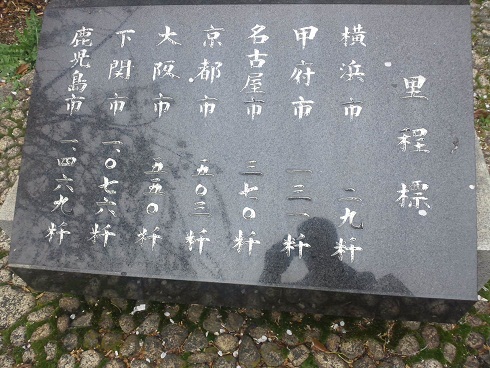
Milestone stones flanking the marker read "1,469 km to Kagoshima," conveying the length of the Japanese archipelago.
Plans debated under the Koizumi cabinet to bury the Metropolitan Expressway over Nihonbashi have resurfaced; the Ministry of Land, Infrastructure, Transport and Tourism held an expert panel this month. What conclusion will emerge? In fiscally straitened times it lacks realism, yet "Old Edo Nihonbashi" stays in the news.
A 25-minute walk from Palaceside Building; from Takebashi via Nihonbashi, get off at Ginza Line Mitsukoshimae and you are there.