

After a while, out of Palaceside Building to see Edo Castle (Imperial Palace) stone walls. Though it has become more “gate-watching”… a sequel on Tayasu Gate.
The photo above is the gate around the Meiji Restoration. A sheet from the “Old Edo Castle Photograph Album” (National Institutes for Cultural Heritage “e-Kokuhō”).
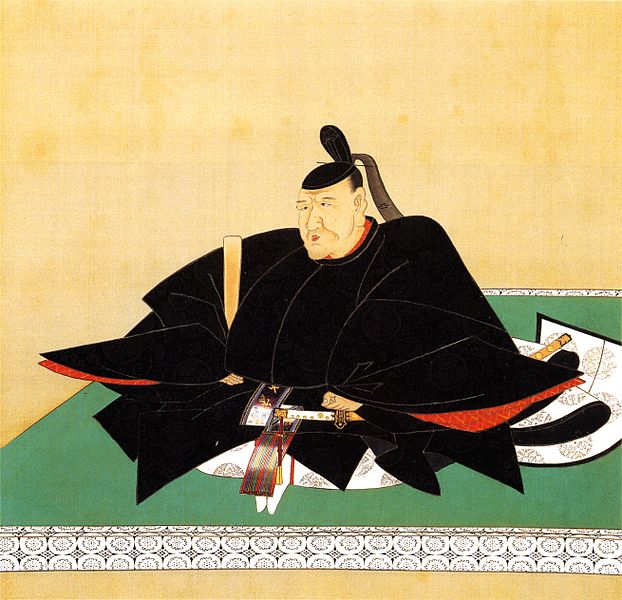
In 1730 (Kyoho 15), Munetake (picture at right), second son of the eighth shogun Yoshimune, was given a residence here and founded the Tayasu house — I wrote that in the August 11, 2015, Shimizu Gate piece. To confirm: 27 years after Munetake was given a residence west of entering Tayasu Gate, the Shimizu house residence was built from the east toward Shimizu Gate.
Munetake was first given 30,000 hyo of rice; in 1746 (Enkyo 3) it was switched to land, 100,000 koku, but split among six provinces — Musashi, Kozuke, Kai, Izumi, Settsu and Harima — so he did not live on the land; he fulfilled his Gosankyo duty of always being near the shogun.
After that the Tayasu house, like the Shimizu, never produced a shogun.
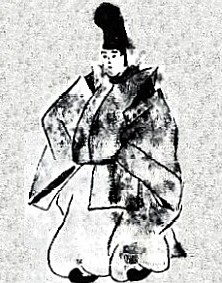
The first, Munetake, was bright from childhood; some pushed him as heir in place of his frail elder brother Ieshige (picture at lower left, Tokugawa Memorial Foundation). Yoshimune briefly considered Munetake, but following the story of the third shogun Iemitsu and his brother Tadanaga he valued seniority and let Ieshige succeed (Ieshige’s heir Ieharu was bright, so he also
put hope there, it is said).
The succession issue lingered: Munetake was barred from the castle, the elder councillor Matsudaira Norisato who backed him was dismissed, and even after a “reconciliation” Munetake is said never to have met Ieshige again in his life — quite a grudge.
When I wrote of the Shimizu house, I said the Gosankyo were born because blood between the Tokugawa main line and the Gosanke grew distant, and another kin was placed near the shogunal house as a source of heirs; I also introduced the view that a new force entering the intrigue-filled castle rather sharpened factional fights. Yoshimune is generally called a great shogun for the Kyoho Reforms, and the “Wild Shogun” drama made him popular, but he also sowed seeds of strife inside Edo Castle.