

Five minutes from Palaceside Building toward Kudan — continuing our talk of mansions inside Edo Castle (Imperial Palace) Shimizu-mon. Besides Kasuga-no-Tsubone, famous residents lived here. (Same map as last time at the end.)
Eishō-in (1578–1642), a concubine of Ieyasu said to share blood with Ōta Dōkan who built Edo Castle, was also called O-Katsu and O-Kaji. In 1607 she bore Ieyasu’s last child, Princess Ichihime, who died at four.
In relation to Kasuga-no-Tsubone, it is said she arranged for Kasuga, wet nurse to the third shogun Iemitsu, to meet Ieyasu in Sunpu and helped fix Iemitsu as Hidetada’s successor. After Ieyasu’s death she ranked with Kasuga at the top of Ōoku women officials.
Tenju-in (1597–1666) was Hidetada’s eldest daughter Sen-hime=photo above. Married to Toyotomi Hideyori, she remarried after Osaka Summer Campaign; when her second husband Honda Tadatoki (lord of Kuwana, later Shintota Han of Himeji) died first, she took the tonsure and returned to Edo with her daughter Princess Katsu
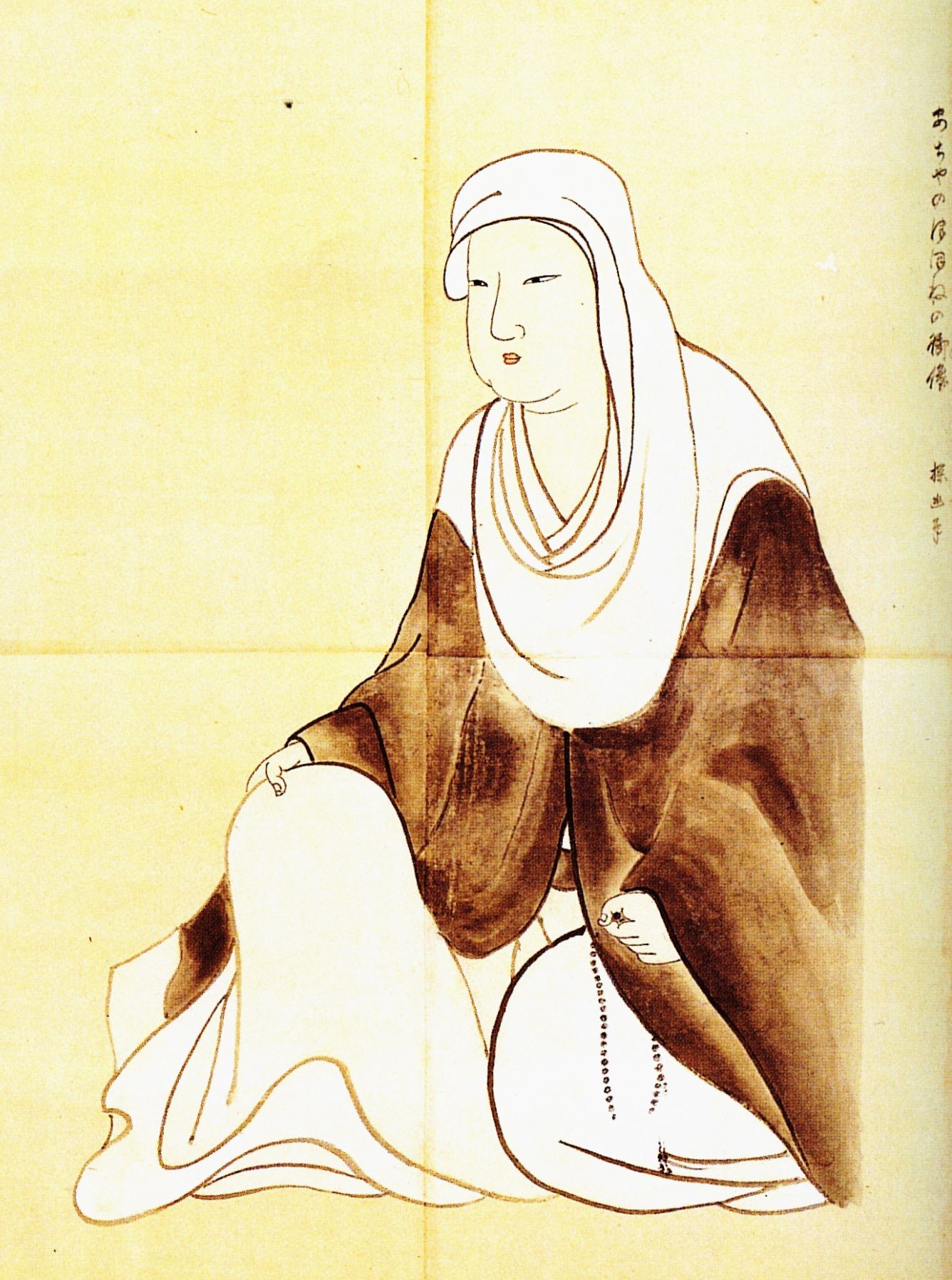
as Tenju-in. In 1628 (Kan’ei 5) Princess Katsu married Ikeda Mitsumasa, lord of Tottori, as Hidetada’s adopted daughter, and Tenju-in lived alone. We wrote about Tottori domain on February 6; Mitsumasa’s father Toshitaka’s lawful wife was also Hidetada’s adopted daughter Tsuru-hime (Fukushō-in, second daughter of Sakakibara Yasumasa) — kin ties really mattered then.
Ichii-sama (1555–1637)=photo right= was Acha-no-Tsubone, Ieyasu’s concubine. She accompanied him on campaign many times and was once pregnant in camp at Komaki-Nagakute (she miscarried). She had no children by Ieyasu but helped raise Hidetada and enjoyed his trust. For guarding Masako, Hidetada’s fifth daughter, when she entered court as chūgū to Emperor Go-Mizunoo, she received Junior First Rank, Minister of Popular Affairs, took the tonsure as Unkō-in after Hidetada’s death, and was called “Ichii-ni” and “Ichii-sama.” Next year’s NHK taiga drama “Sanada Maru” will feature her, played by Yuki Saito, we hear.
Last, Suruga-dainagon: Tokugawa Tadanaga (1606–1634), Hidetada’s third son and Iemitsu’s brother. Hidetada and his mother Go favored the brilliant Kunichiyo (Tadanaga) over the frail Takechiyo (Iemitsu), and factions split over the next shogun — settled, it is said, when Kasuga appealed directly to Ieyasu to name Takechiyo successor.
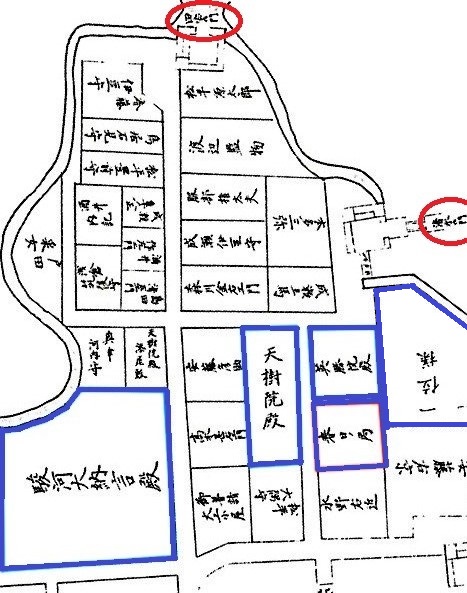
Tadanaga became gon-chūnagon with Iemitsu’s shogunal appointment in 1623; the next year he received Suruga and part of Tōtōmi, totaling 550,000 koku. Gon-dainagon in 1626 — then, for misconduct (whether real or framed…), all domains were confiscated, he was confined at Takasaki (Gunma), and finally ordered to commit seppuku. Died at 28 — a short life, tragedy in the bakufu’s drive to fix hereditary order.